

Ready to Get Started?
Request an Appointment
Need More Info?
Ask Us a question Here
As a parent, you’re constantly thinking ahead about your child’s potential needs. Undergoing orthodontic treatment is like a rite of passage for many teens, so it only makes sense you would be wondering whether your child will need orthodontics in the future. Dr. Robison and our team can help make sure your child’s teeth develop correctly with phase 1 orthodontics. This interventive treatment can significantly reduce the need for complicated orthodontics later in your young child’s life – or help them avoid it altogether! Request an appointment through our website to get started today.
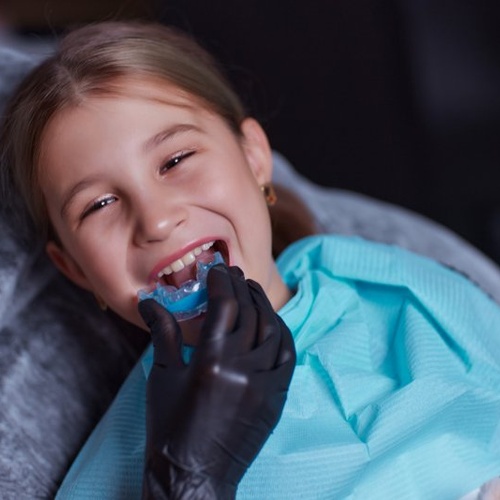
The idea behind phase 1 orthodontics is to help guide your child’s baby and permanent teeth into good positions now so that later, when their smile is fully developed, their teeth won’t be as crooked. Dr. Robison can accomplish this with a series of removeable aligners, a lighter form of braces, or a similar oral appliance – it will simply depend on your child’s unique situation.
Thanks to this intervention, if your child needs orthodontics as a teenager, their treatment will be shorter and less complicated. In some cases, phase 1 orthodontics can completely prevent the need for future orthodontics!
This treatment works best for kids ages 6 – 9, so make sure you’re scheduling regular appointments for them.
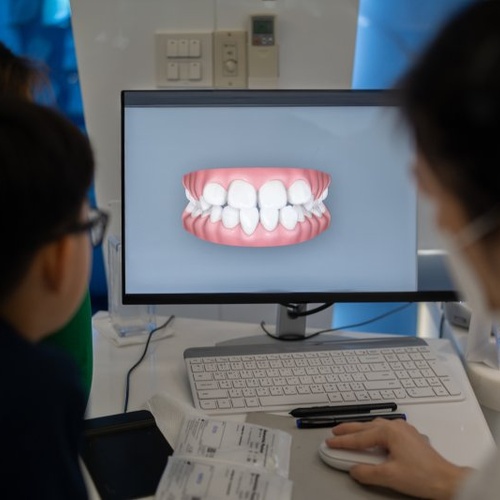
Your child might benefit from phase 1 orthodontics if they experience any of the following symptoms:
Have you ever heard the saying “a stitch in time saves nine”? It applies perfectly to phase 1 orthodontics. Here are some specific ways it can benefit your child:
Phase 1 orthodontic treatment, also called interceptive orthodontics, usually happens when the patient is between the ages of six and nine. This is the stage when kids have some of their adult teeth but are still losing baby teeth, and phase 1 orthodontics can help dentists guide a child’s jawbone to help it develop properly and prevent serious alignment problems later in life.
The American Association of Orthodontists recommends that each child receive an orthodontic evaluation by the age of seven. This is the age when the first adult molars begin to emerge, which establishes the back of the bite and allows dental professionals to understand how the alignment is developing.
Phase 1 orthodontics can treat a wide range of early-stage dental and jaw alignment problems such as extreme crowding, large gaps, protruding teeth, and the baby teeth being lost too early or late. This can also treat or prevent malocclusions such as overbites, underbites, open bites, and crossbites or help the teeth erupt and develop properly.
Phase 1 orthodontic treatments can impose dietary restrictions depending on the appliance used. A child who wears a removable orthodontic device won’t have to change their diet during treatment. However, kids who wear irremovable devices like braces or palate expanders may have to avoid certain foods like crunchy nuts, chewy meats, and raw fruits and veggies. If your child wears irremovable appliances, it’s probably best for them to stick to a soft diet that includes items like:
Your child eating foods that are too crunchy or tough for their orthodontic appliance can lead to discomfort or treatment delays.
Regular physical activity is a great way for kids to stay healthy, and your child should be able to play sports during their orthodontic treatment. However, it’s important for them to wear an athletic mouthguard to prevent injuries and appliance damage during play. If your child experiences an injury while playing sports, please contact the team at Robison Dental Group so we provide top-notch emergency dental services at our office in Canton.
During phase 1 orthodontic treatment, your child will probably have to avoid foods that are hard, crunchy, and sticky while maintaining excellent oral hygiene habits like daily brushing and flossing. This will prevent damage to the appliances as well as accumulations of plaque and food debris that can cause painful and treatment-delaying oral infections. We may recommend using dental wax or over-the-counter pain medication to address any temporary discomfort.